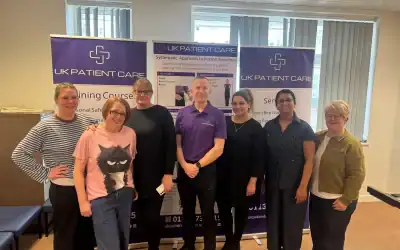
During the week we delivered 10 dynamic and engaging training sessions, our course provided practical knowledge, confidence-building strategies, and hands-on safety techniques tailored to the unique challenges staff face in this essential sector. We’re proud to report 100% positive feedback from delegates with every attendee reported feeling more confident, more aware, and better equipped to handle challenging behaviour safely and effectively.

Why Personal Safety Training Matters in Substance Misuse Services
Working in substance misuse services often involves unpredictable, high-pressure situations. Staff are frequently placed in environments where they may encounter aggression, heightened emotional states, or vulnerable individuals in crisis. While compassion and empathy are at the heart of their work, so too is the need for personal safety, professional boundaries, and practical de-escalation skills.
Personal safety training bridges that gap. It helps frontline staff:
- Recognise early warning signs of escalating behaviour
- Respond appropriately using non-confrontational strategies
- Maintain control of their environment
- Reduce risk to themselves and those in their care
- Build confidence and reduce workplace stress
It also enhances the overall quality of service delivery. A team that feels safe, supported, and well-prepared is more resilient, more confident, and ultimately more effective in delivering care.
Employer Responsibilities: Health & Safety and Legal Compliance
Under the Health and Safety at Work Act 1974, employers have a legal duty to protect the health, safety, and welfare of their employees as far as is “reasonably practicable.” This responsibility is especially critical in sectors where staff work with potentially volatile or distressed individuals, such as substance misuse, mental health, and social care.
Employers must:
- Assess risks in the workplace, including risks from service users
- Implement measures to control and mitigate those risks
- Provide training and information to ensure employees know how to keep themselves and others safe
- Regularly review practices and respond to incidents with learning and support
More information can be found on the HSE website – Managing risks and risk assessment at work: Overview – HSE
Foreseeable Risk: Why Prevention is Critical
Incidents involving aggression, intimidation, or physical harm are not uncommon in high-stress care environments. But many of these incidents are foreseeable, for example, they stem from known patterns of behaviour, environmental triggers, or specific staff-service user interactions.
That means they can often be anticipated and prevented.
Personal safety training is one of the most effective ways to mitigate foreseeable risk. It empowers staff with proactive strategies and decision-making tools, such as the National Decision Model (NDM), to assess situations in real-time, apply professional judgement, and make safe, proportionate responses.
What the Training Covers
The UK Patient Care personal safety training course is a comprehensive, trauma-informed programme designed to reflect the real-world challenges of working in complex support settings. It includes:
- First impressions and maintaining professional boundaries
- Reading and using body language effectively
- Intuition and recognising the ‘gut feelings’ that often signal danger
- Situational awareness and environmental scanning
- Lone working safety planning and check-ins
- Communication skills for building rapport and diffusing tension
- De-escalation strategies that are respectful, non-threatening, and effective
- Use of force legislation, duty of care, and legal defensibility
- Applying the National Decision Model (NDM) to incident planning, live decision-making, debriefing, and reporting
- Practical breakaway and disengagement techniques to safely escape holds and protect personal space
More details about this valuable course can be found on our Personal Safety & Breakaway Training Page
The Impact: Safer Staff, Stronger Services
Feedback from LikeWise Sheffield was overwhelmingly positive. Delegates consistently described the training as relevant, engaging, and confidence-boosting. Many shared that this was the first time they had received practical training tailored to the specific risks they face daily.

“Great content and very informative especially with the laws for what you can do to protect yourself.“
“Really enjoyed the session, brilliant delivery and feel more confident at the end“
“It was very educative, on point, fun, exciting and empowering“
“Really good and really enjoyable. I’m sure we all feel safer already.“
By investing in their team’s safety, Waythrough has not only protected their staff, they’ve demonstrated a clear commitment to best practice, legal compliance, and compassionate, trauma-informed service delivery.
Looking to Improve Staff Safety in Your Organisation?
If your staff work in challenging environments, whether in substance misuse services, mental health care, education, or community outreach, personal safety training isn’t a luxury. It’s a necessity.
UK Patient Care provides sector-specific, evidence-based, and legally compliant training that empowers your team to do their job safely and effectively.
Get in touch today to discuss your training needs or arrange a free consultation.
Email: info@ukpatientcare.co.uk
Tel: 0113 873 0715