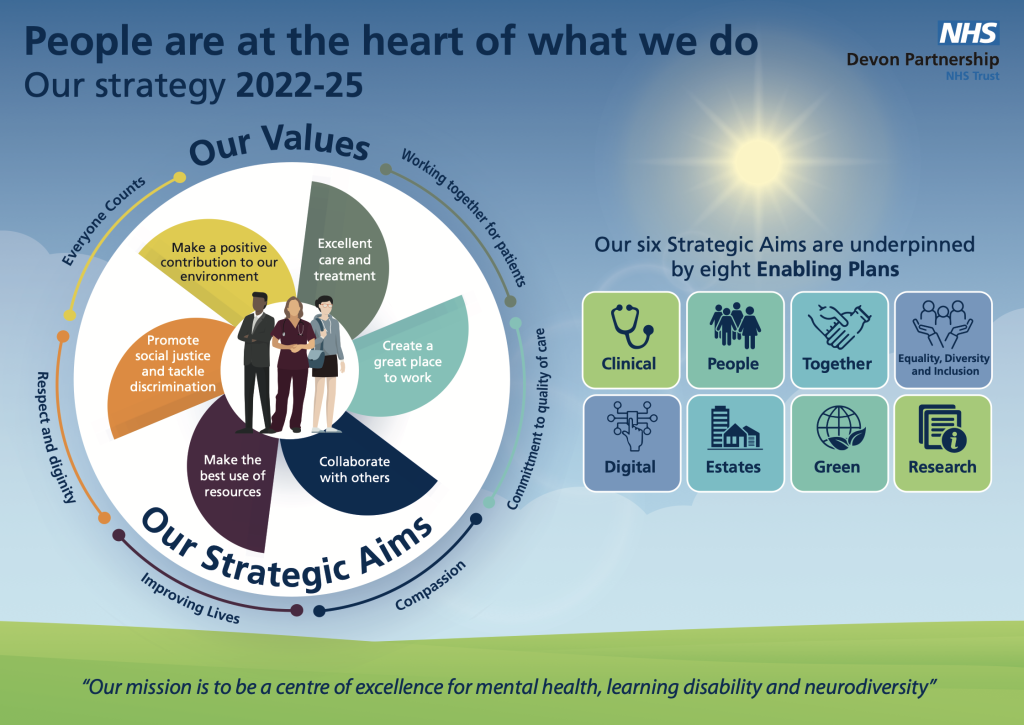
“People are at the heart of what we do.”

Across three days, we trained 66 staff members in safe and lawful search procedures tailored for mental health settings. Feedback was unanimously positive, with all participants rating the training as either “good” or “very good.” Crucially, staff left feeling better equipped and more confident to conduct searches with professionalism, compassion, and clarity.

Good information on the importance of search training. Also good to see the trainers were empathetic to patients and understood different traumas experienced from staff and patients.
I enjoyed the sessions, the instructors where slow enough for me to understand the languages and to assimilate what I had learnt.
Very informative and also interactive, good to get experience with the searching methods.
Practical and thorough course with the right amount of theory. Would feel confident if I have to do a search in future.
Safety Without Compromise on Dignity
In mental health care, especially in services supporting individuals with learning disabilities or autism, searches must be carried out with the utmost care and respect for human dignity.
Searches, whether of a person, their belongings, or the surrounding environment, are often necessary to maintain safety. However, when done poorly, they can be distressing or even retraumatising for service users. Our training focuses on developing the skills and judgment needed to apply search procedures ethically, proportionately, and legally, without compromising therapeutic relationships.
What Does Our Search Training Include?
Our Search Training for Mental Health is designed for frontline professionals, managers, and support staff working in inpatient, community, forensic, or supported living environments.
Here’s a deeper look at what’s covered:
Legal and Ethical Foundations
We begin with a clear, practical understanding of the legal frameworks that govern search activity in mental health settings, including:
- The Mental Health Act 1983 (as amended)
- The Human Rights Act 1998
- The Health and Safety at Work Act 1974 – employer responsibilities in risk management
- Common law principles and guidance from bodies such as the CQC and NICE
- Criminal Law – Section 3 (1) 1967
This ensures all searches are grounded in lawful authority, proportionality, and respect for rights.
Understanding Risk in Mental Health Settings
We explore why searches are sometimes necessary, from preventing self-harm and suicide to safeguarding others. Our training contextualises searching as one part of a wider risk management approach, helping staff identify:
- Contraband (e.g. drugs, alcohol, weapons)
- Ligature risks and sharps
- Items concealed in clothing, bedding, or personal belongings
- Environmental risks (e.g. hidden items in furniture or communal spaces)
Communication and Trauma-Informed Practice
Knowing how to approach a search is as important as knowing when. We train staff to:
- Explain the process in a calm, respectful, and clear manner
- Use non-confrontational language
- Consider sensory sensitivities, past trauma, or neurodivergence
- Seek consent where appropriate, and adapt approach for non-consenting individuals
- Maintain safety while minimising distress
This ensures a trauma-informed, patient-centred approach that reduces the likelihood of escalation.
Practical Search Techniques
Our trainers deliver hands-on instruction and scenario-based learning covering:
- Person Searches: Over-clothing search protocols (non-invasive)
- Belongings Searches: Safe and lawful inspection of bags, bedding, and possessions
- Area/Environmental Searches: Identifying and managing risk in rooms, bathrooms, or communal spaces
- Team Roles and Safety: Who should be present, how to position staff, and managing risk during dynamic incidents
All techniques are developed to ensure minimum force, maximum respect, and robust documentation.
Documentation, Reflection, and Continuous Improvement
We finish by training staff on the importance of accurate recording, including:
- Search logs and incident reports
- Safeguarding and legal justifications
- Reflective practice and supervision following a search
De-escalation review and care planning adjustments
More details about our training course can be found on our search training page
Why Search Training is Crucial for Mental Health Services
Proper search procedures not only prevent harm but also reinforce a culture of safety and accountability. Under UK law, employers have a duty to mitigate foreseeable risk, especially in healthcare environments. Failure to conduct lawful, well-executed searches can leave organisations vulnerable to litigation, safeguarding investigations, or CQC non-compliance.
Our training ensures that staff can:
- Act within the law
- Uphold patient rights
- Reduce risk of harm
Preserve therapeutic relationships
Supporting The Brook and Beyond
We’re proud to have partnered with Devon Partnership NHS Trust to deliver this vital training at The Brook — a facility dedicated to specialist, compassionate care for those with learning disabilities and autism. As services evolve to meet more complex needs, our goal is to support teams with the skills,confidence, and clarity needed to work safely and respectfully.
If your service requires tailored Search Training in Mental Health, we’re here to help. We offer flexible delivery options across the UK, with courses shaped by your risk profile, patient group, and operational model.
Enquire now to find out how we can support your team
0113 873 0715 | info@ukpatientcare.co.uk