In many healthcare environments across the UK, especially in mental health services, learning disability units, and care homes, safety is a constant priority. Among the most serious risks is the danger of self-harm or suicide by ligature. This refers to the use of materials or objects that can be tied or used to apply pressure around the neck, an issue that remains a critical concern for frontline staff.
What Does Anti-Ligature Mean?
The term “anti-ligature” refers to any design, fixture, or intervention that reduces the possibility of someone using something to inflict harm on themselves, particularly by strangulation or hanging. This might include anti-ligature door handles, taps, hooks, curtain rails, and other fittings, but it also includes procedures, awareness, and staff responses.
But having the right equipment in place is only part of the solution. Staff must also be trained to spot potential risks and respond quickly and appropriately if an incident occurs.
Why Training Is So Important
Anti-ligature risks can exist in the most unexpected places. What seems like an ordinary object or fitting may pose a serious danger to someone in crisis. That’s why anti-ligature training is so vital, it helps healthcare workers:
- Identify Risk Points: From bathrooms and bedrooms to communal spaces, staff are taught how to assess environments for ligature risks. This includes recognising both fixed hazards and temporary ones that may be introduced, such as clothing, cords, or even medical equipment.
- Understand the Behavioural Context: It’s not just about the objects, it’s also about the people. Anti-ligature training includes awareness of the signs that someone may be at risk of self-harm, helping staff intervene early and sensitively.
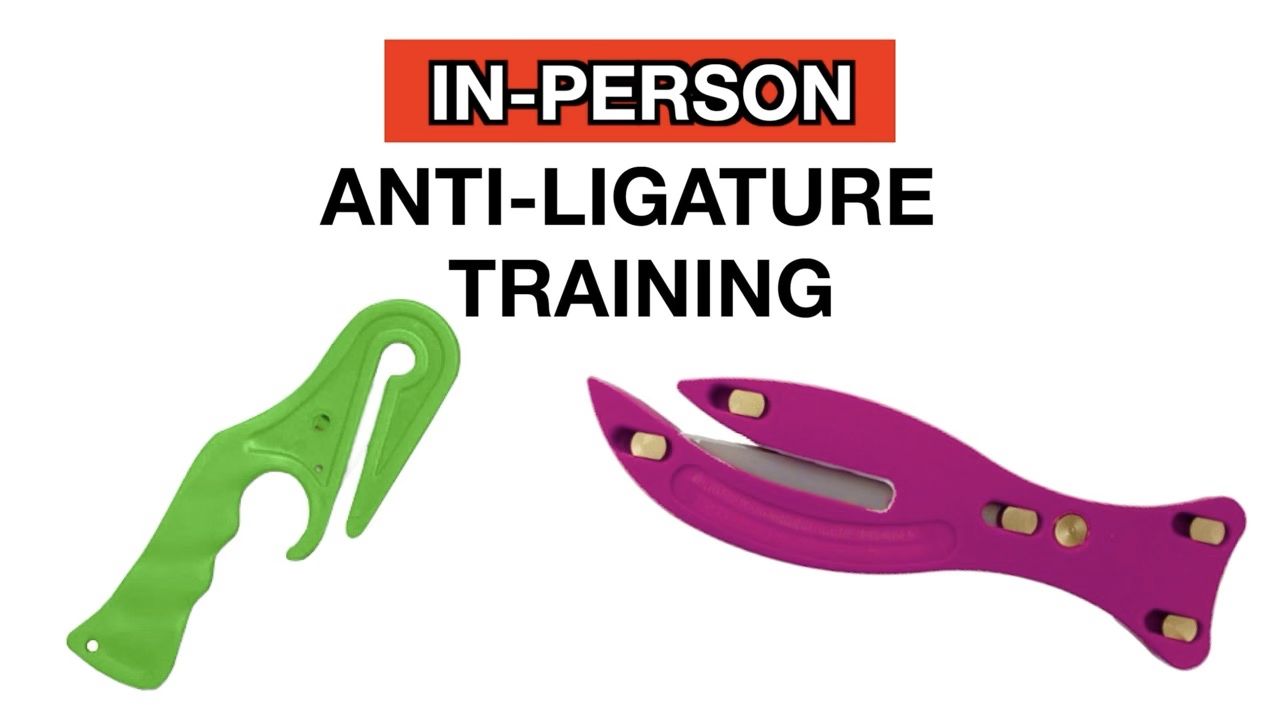
- Respond in an Emergency: In the event of a ligature incident, every second counts. Staff must know how to respond quickly and effectively, using ligature cutters and administering first aid if necessary. Confidence in these moments can make all the difference.
- Create a Safer Environment: Ultimately, trained staff help create a culture of safety and awareness, where patients feel more secure and staff feel more supported.
Who Needs Anti-Ligature Training?
This type of training is particularly important for staff working in:
- Mental health units
- Supported living environments
- Care homes and residential settings
- Learning disability services
- Emergency departments
- Custodial or secure care settings
Even in general hospital wards, anti-ligature awareness can be relevant, especially when dealing with vulnerable patients or those in emotional distress.
A Preventative Approach
The most effective way to manage ligature risk is to prevent it from happening in the first place. That’s why anti-ligature training isn’t a one-off box-ticking exercise, it’s an ongoing part of safeguarding practice. By giving staff the right tools, knowledge, and mindset, healthcare providers can reduce risk and improve outcomes for some of the most vulnerable people in their care.
Support from UK Patient Care
At UK Patient Care, we offer a practical, hands-on Anti-Ligature Training Course tailored to the realities of healthcare environments in the UK. Our course helps staff confidently identify risks, respond to emergencies, and maintain a safer care setting for everyone.
Whether you’re part of a large NHS trust or a small residential home, our training is designed to support your team’s needs, with on-site sessions available across the UK.
Anti-ligature training is not just about meeting standards, it’s about saving lives. In a healthcare system under increasing pressure, giving staff the knowledge and confidence to prevent self-harm is a crucial step in delivering compassionate, effective care.
If your team needs support in managing ligature risks, explore our Anti-Ligature Training Course today. Together, we can create safer spaces for those who need it most.
Email: info@ukpatientcare.co.uk
Telephone: 0113 873 0715